Wasuh Font: A Bold Typeface for Memorable Branding
A few weeks ago, I was helping a local boutique owner redesign their product tags. They had been using a generic sans serif font that looked safe but ultimately lacked personality. We needed something that would reflect the boldness of their brand and make each tag pop in-store and online. That’s when I discovered Wasuh. This display font brought just the right amount of streetwise energy to elevate their brand without going over the top.
What Makes Wasuh Stand Out
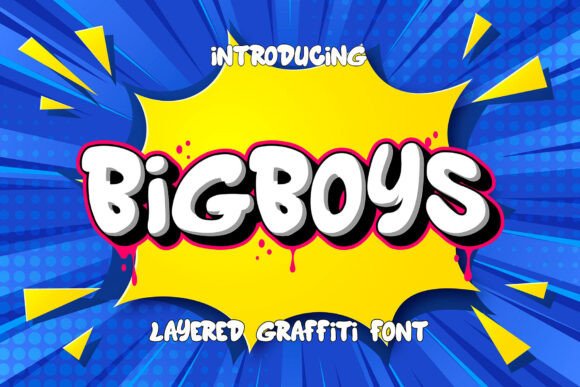
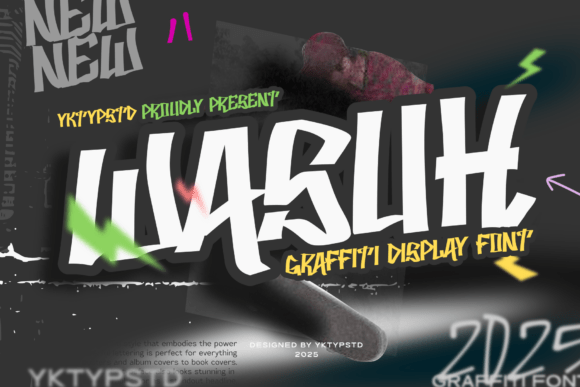
Wasuh is not your average typeface. It’s a premium display font inspired by urban graffiti, with a visual character that screams authenticity and modern flair. The letters are chunky, expressive, and full of attitude — perfect for businesses looking to stand out from the crowd. It doesn’t feel like it belongs in a corporate office or on a textbook page; instead, it thrives in environments where creativity meets impact.
As someone who helps small businesses refine their brand identity, I’ve seen how fonts can shape perceptions. Wasuh has an edge that commands attention, making it ideal for headlines, logos, and short bursts of text that need to be unforgettable. Its style is both rebellious and refined, striking a balance between raw energy and clean design.
Real-World Applications of Wasuh
I tested Wasuh across several materials for this boutique, and the results were impressive. Here are some of the ways it worked well:
- Logo Design: The font gave the logo a fresh, youthful look that felt more intentional and less cookie-cutter.
- Product Tags: Used sparingly on price tags and care instructions, it added a touch of uniqueness without overwhelming the reader.
- Social Media Graphics: When used as a headline for Instagram promotions, it instantly grabbed attention and helped build a cohesive visual theme.
- Flyers and Packaging Titles: It made event flyers and packaging labels more dynamic and visually engaging.
Wasuh isn’t subtle, but that’s exactly what makes it so powerful. In a world where consumers scroll past thousands of designs every day, standing out means being bold — and Wasuh delivers on that front.
When to Use Wasuh in Your Branding
This font is at its best when used for headlines, logos, packaging titles, and decorative accents. It shines in editorial design, such as café menus or skincare label highlights, where you want to create a strong first impression. However, it's not suited for long blocks of supporting text. Think of it as the main attraction in your design — not the background.
For example, a friend of mine runs a small candle company and recently updated her packaging. She used Wasuh on the front label for the product name, paired it with a minimalist sans serif for details like scent notes and ingredients. The contrast worked beautifully, making the candles feel both luxurious and contemporary.
Typography and First Impressions
First impressions matter, especially in retail and digital marketing. Typography plays a huge role in shaping how customers perceive your brand. Wasuh brings a sense of confidence and originality to the table — two traits that can significantly boost brand recognition.
On printed materials, it adds texture and depth. On digital screens, especially mobile, it still holds up as long as the size is generous enough. For smaller labels or thumbnails, I recommend using it only in key spots, like a product title or call-to-action button, rather than large paragraphs.
Another thing I noticed while working with Wasuh is how it influences customer engagement. People tend to stop and read when they see a font with character. It sparks curiosity and conversation, which is invaluable for handmade sellers and niche brands aiming to build community and trust.
Font Pairing Tips for Wasuh
To keep things balanced and professional, pairing Wasuh with other typefaces is essential. Here are a few combinations that work well:
- Clean Sans Serif: Something like Montserrat or Open Sans works great for body copy, creating a sharp contrast with the boldness of Wasuh.
- Elegant Serif: A classic serif like Lora or Merriweather adds sophistication when used alongside Wasuh in secondary text or subtitles.
- Script or Handwritten Fonts: These can add a personal touch in areas like thank-you cards or signature lines. Just don’t overdo it — too many decorative fonts can dilute your message.
The key is to let Wasuh take center stage while using complementary fonts to support readability and clarity. It’s all about balance and ensuring your design assets remain functional as well as stylish.
Before You Commit: What to Check
Before applying Wasuh to your branding, it’s important to understand what you’re getting. Most premium fonts include multiple styles, weights, and alternates — check if the version you're purchasing includes these variations. Also, confirm whether it supports the languages you may need for international audiences or multilingual content.
Commercial licensing is another critical point. If you're planning to use Wasuh on product packaging, social media templates, or client work, ensure the license allows for those uses. Some fonts restrict commercial applications unless you buy a specific version.
Readability on small labels and mobile screens also deserves attention. While Wasuh looks amazing in large formats, it needs careful scaling for smaller spaces. Always test it at different sizes and distances before finalizing your print or digital layouts.
Final Takeaway
In my experience, choosing the right font can transform a business’s image overnight. Wasuh isn’t just another display font — it’s a statement. Whether you're updating your shop banner, printing new stickers, or refreshing your website, this typeface can inject energy and professionalism into your brand’s visual language.
It’s particularly useful for businesses that lean into a modern, edgy, or urban vibe. From bakery boxes to beauty product labels, Wasuh has proven itself to be a versatile yet powerful choice. As always, remember that typography is part of a larger design strategy. Let your brand personality guide your choices, and don’t forget to consider legibility and licensing along the way.
If you're ready to give your brand a bolder voice, Wasuh might just be the font you’ve been looking for. Try it out on one key piece of your branding, and see how it resonates with your audience. Sometimes, a simple change in typeface can lead to big shifts in perception and connection.