Kabloop Font: A Playful Typeface for Creative Makers
There’s something magical about the moment when you’re designing a product and you find that perfect font. It’s not just about letters—it’s about how they make your brand feel, how they catch the eye, and how they bring your handmade creations to life. Recently, while preparing my next batch of seasonal candle labels, I stumbled across Kabloop, and it felt like a spark had lit up my design space. This bold, hand-drawn comic font is exactly what you need if you're looking to inject some fun, motion, and character into your craft projects.
What Makes Kabloop Unique?
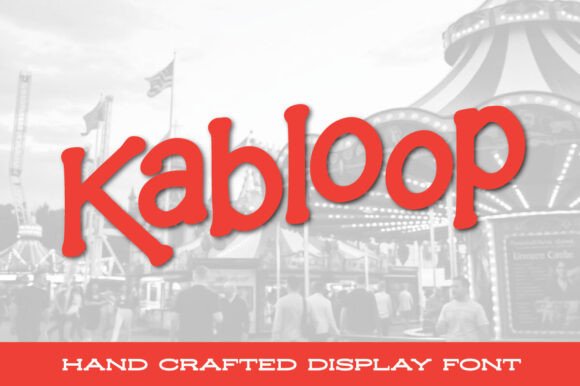
Kabloop has that classic sound-effect-from-a-cartoon vibe—bouncy, playful, and full of energy. The letterforms are rounded, exaggerated, and have a dynamic sense of movement that makes them pop on almost any surface. As a display font, it's not meant for long paragraphs, but rather for headlines, titles, names, or short phrases where you want to grab attention and add a whimsical touch. Its unique charm works especially well for products that already have a handmade or nostalgic aesthetic.
A Maker’s Perspective
I first used Kabloop for a set of holiday candle labels. My candles are known for their cozy, rustic feel, and I wanted the typography to match that warm, inviting personality. When I typed out “Cozy Glow” in Kabloop, it immediately transformed from plain text into a joyful visual element. The font didn’t just sit there—it seemed to dance across the page. That’s the kind of impact a good display font can have. It doesn’t just say something; it feels something.
Since then, I’ve been testing Kabloop on different materials and shop items. From greeting cards and planner pages to SVG-style designs for Cricut and Silhouette, this typeface has proven itself to be incredibly versatile. I even tried it on a mockup for a tote bag with the phrase “Happy Day Ahead,” and the result was a cheerful, eye-catching piece that felt instantly relatable.
Where Can You Use Kabloop?
Here are a few realistic scenarios where Kabloop adds creative flair:
- Candle Labels: Whether you're making soy candles or beeswax melts, Kabloop gives your labels a lively and engaging look that stands out on shelves or at markets.
- Greeting Cards & Invitations: Use it for birthday wishes, thank you notes, or even wedding invitations. The playful nature of Kabloop is great for creating a sense of joy and celebration.
- Wall Art & Signs: Farmhouse signs, motivational quotes, or decorative wall art all benefit from its energetic style. It brings motion to stillness and life to words.
- Printable Templates: If you create digital printables, Kabloop adds a fun twist to preview images and downloadable content. It helps set the tone before customers even open the file.
- Product Tags & Packaging: Boutique tags, gift packaging, or custom stickers become more memorable with Kabloop. It’s a great way to reinforce your brand identity in a friendly way.
- Seasonal Shop Items: Think holiday tags, summer-themed mugs, or autumn-inspired shirts. Kabloop’s expressive style fits perfectly into themed designs without feeling forced.
Designing with Kabloop: Tips for Real-World Use
While Kabloop is a premium font with loads of character, it’s important to consider how it will perform in real-life applications. Here are a few practical tips to keep in mind:
- Readability Matters: Even though Kabloop is bold and playful, ensure the size is large enough for small stickers or product labels. For best results, use it for short phrases where clarity isn’t compromised by the stylized shapes.
- Font Pairing: To balance its exuberance, pair Kabloop with a clean sans serif or simple serif font for body text or secondary details. This helps maintain a professional look while still highlighting the fun aspects of your design.
- Check File Formats: Make sure the font files include the styles you need for your project—especially if you're working with cutting machines. Some fonts offer OpenType features like ligatures or alternates, which can enhance your designs further.
- Commercial Licensing: Before using Kabloop for physical merchandise or digital downloads, always confirm that the licensing allows for commercial use. This ensures your shop stays compliant and avoids legal hiccups down the line.
Bringing Emotion Into Your Brand Identity
As a product maker, the right typography can help you connect emotionally with your audience. Kabloop, with its cartoon-like bounce and handwritten spontaneity, invites a sense of playfulness and nostalgia. These subtle cues can influence how your brand is perceived—more approachable, more personal, and more creative.
For example, I used Kabloop on a set of welcome boards for a local boutique. The phrase “Welcome Home” wasn’t just readable; it felt like a warm hug. That’s the emotional appeal of a good typeface. It’s not just about what you say, but how you say it—and Kabloop says it with a smile.
Creating Consistency in Design
Brand consistency is key, especially if you’re running an Etsy shop or selling physical goods. Using Kabloop consistently across your product labels, packaging, and digital assets creates a cohesive look that customers come to recognize. It builds familiarity and trust, two essential elements for growing a handmade business.
I also noticed that Kabloop looks fantastic in both print and digital formats. Whether it’s printed on thick cardstock for a greeting card or embedded in a social media graphic for your latest printable collection, the font maintains its quality and charm. Just be sure to test it at different sizes and backgrounds before finalizing your prints.
Exploring Multilingual Support and Style Variations
If you're planning to expand your shop beyond English-speaking audiences, check whether Kabloop supports the languages you need. Many modern display fonts do, but it's always wise to confirm before creating multilingual templates or international product listings.
Also, explore the included styles. Some display fonts offer variations like outlines, shadows, or alternate characters. These can give your designs a bit more variety while staying true to the overall personality of Kabloop. Ligatures and swashes may not be present, but the bold, hand-drawn nature of the font offers enough visual interest on its own.
Realistic Examples in Action
Let me share a few ways I've seen Kabloop shine in real handmade projects:
- Birthday Invitations: Used for the main title, Kabloop brought a sense of excitement and warmth to a child’s party invitation.
- Farmhouse Wall Sign: Combined with a weathered wood texture and minimalist layout, Kabloop added a charming, animated feel to the sign without overwhelming the design.
- Wedding Welcome Board: The phrase “You’re Our Guest of Honor” in Kabloop created a lighthearted yet elegant entry point for the event.
- Planner Pages: Kabloop worked beautifully as a header for weekly sections, giving the planner a fresh and vibrant personality.
- SVG Designs for Cutting Machines: I used it for a sticker sheet with holiday phrases and found it easy to cut and arrange due to its clear stroke separation.
Why Display Fonts Like Kabloop Work for Crafters
Display fonts are specifically designed to stand out and capture attention. They’re often used in logo design, editorial design, and packaging design where visual impact is more important than readability over long distances. Kabloop fits perfectly into these categories because it’s built to be bold and expressive.
It’s not a font you’ll read for hours, but it’s one that people remember. That memory is powerful in branding. Whether you’re printing a mug with a quirky slogan or designing a label for a handmade soap bar, Kabloop helps your message stick—not just visually, but mentally.
When Not to Use Kabloop
Though Kabloop is a standout in many situations, it’s not the right choice for every project. Avoid using it for long blocks of text or anything requiring formal tone, like product descriptions or pricing lists. It thrives in display use, so save it for headlines, logos, decorative wording, and short impactful phrases.
For instance, I once tried using it in a longer section of text on a greeting card, and the legibility dropped significantly. Stick to using it for titles and short bursts of text, and let another font handle the rest of the content.
Getting Started with Kabloop in Your Projects
So how do you start bringing Kabloop into your work? Begin by downloading it and experimenting with it in your favorite design software—Adobe Illustrator, Photoshop, Procreate, or even free tools like Canva. Try it on a sample label or a mockup for a shirt or mug. Observe how it interacts with colors, textures, and other design elements.
You might also consider using it in your shop branding. From your storefront banner to your social media headers, Kabloop can unify your visual identity in a way that feels both professional and personable.
Once you get comfortable with the font, think about how it could evolve with your brand. Could it be part of a seasonal theme? Maybe a limited-edition collection of Kabloop-based greeting cards or SVG designs for cutting machine users? The possibilities are endless, and the most important thing is to let your creativity guide the process.
Remember to always double-check the licensing terms if you plan to sell products featuring Kabloop. It’s a step that can’t be skipped, no matter how tempting it is to jump right into the design phase. Understanding the rules ensures your passion stays protected and your business runs smoothly.
So next time you’re brainstorming a new product line or refreshing your shop’s visuals, consider adding Kabloop to your design toolkit. It’s a typeface that speaks volumes in a single word, and for makers who value both function and fun, it’s a must-have addition to your font library.